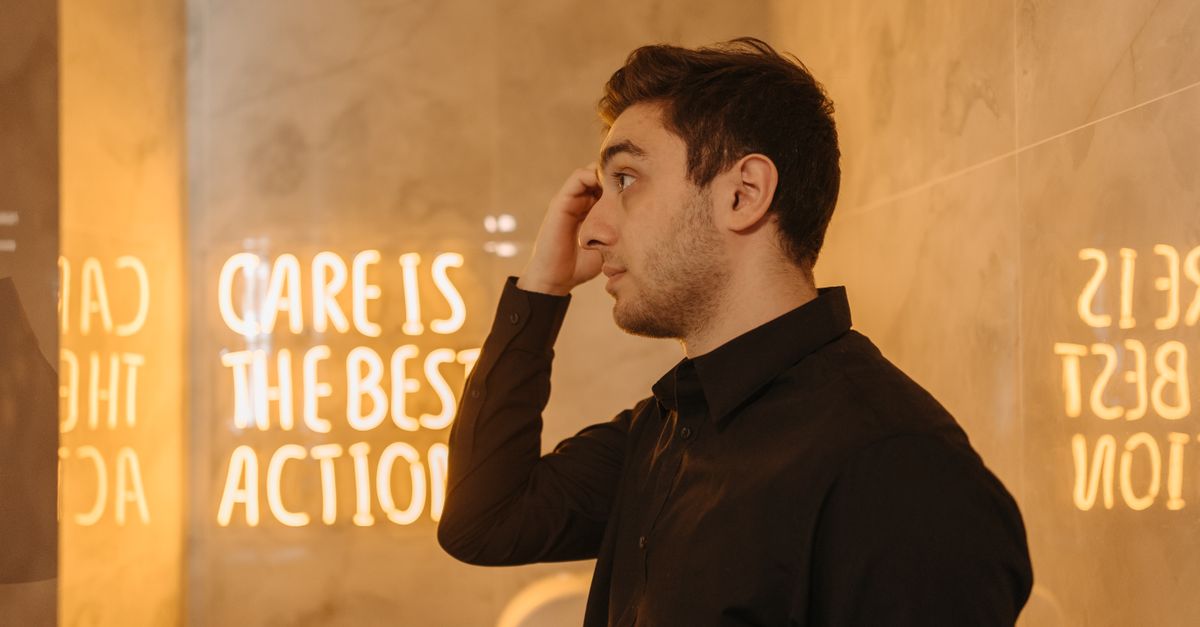
I'm going to say something that might get me side-eyed at church on Sunday: doubt isn't the enemy of faith anymore. It's becoming the doorway to it.
And honestly? I think that's the most hopeful thing happening in faith circles right now.
I've spent the last year talking to young believers — in group chats, campus ministries, late-night diner conversations, the comment sections of my own blog — and the pattern is impossible to ignore. The generation inheriting the pews isn't walking away from God. They're walking away from certainty. And in doing so, they're rebuilding what faith in 2025 actually looks like.
Let me show you what I mean.
The Deconstruction Generation Isn't Leaving — They're Renovating
Here's what most people miss: the "deconstruction" trend that terrified pastors five years ago? It didn't empty the churches the way everyone predicted. Something stranger happened.
Young believers took the faith apart, questioned every brick, and then — many of them — started putting it back together. Differently.
I've found that the twenty-somethings filling small groups today aren't looking for a leader with all the answers. They're looking for someone who's willing to say "I don't know" out loud. That's a seismic shift. The old model rewarded certainty. The new model rewards honesty.
A recent wave of surveys backs this up — studies keep finding that young adults who stay engaged with faith are far more likely to value authenticity over authority. They'd rather sit with a hard question than swallow a soft answer. Doubt, in other words, has become a spiritual discipline rather than a spiritual failure.

Why "Just Believe Harder" Stopped Working
Let's be honest — the phrase "just have faith" has been used as a conversation-ender for decades. It shut down questions instead of answering them. And this generation has zero patience for it.
Here's what I keep hearing: "I don't want to be told to pray about it. I want to know you've wrestled with it too."
That's not rebellion. That's discipleship with its sleeves rolled up.
The young believers I talk to are reading theology on their phones at 1 a.m. They're listening to podcasts that argue with each other. They're asking questions their grandparents never felt safe asking in church. And you know what? A lot of them are landing somewhere deeper than where they started.
Questioning everything didn't kill their faith. It made it theirs.
Three Ways This Redefinition Shows Up in Real Life
I've watched this play out enough to notice the patterns. Here's what redefined faith looks like in practice:
- Small and honest beats big and polished. House churches, dorm Bible studies, group chats with three people and a shared doubt — these are thriving while flashy megachurch programming struggles to hold attention. Intimacy is the new production value.
- Integrity outranks certainty. Young believers want to know your faith is consistent with your life before they care about your doctrine. They're not anti-truth. They're anti-hypocrisy.
- Doubt gets a seat at the table. The most alive faith communities I know have a rule: no question is off-limits. They've stopped treating doubt as a virus and started treating it as a signal — a sign that something needs attention, not exile.
Here's what most people miss: none of this is anti-faith. It's faith growing up.
The Hidden Faith Revival Nobody's Reporting On
If you only read headlines, you'd think young people have abandoned faith entirely. The numbers tell a messier, more interesting story.
Sure, formal church attendance is down. But faith in 2025 isn't measured by a parking lot on Sunday morning anymore. It's measured in group chats that stay up late arguing about grace. It's in the friend who says "I'm not sure I believe right now, but I'm not leaving" — and the community that says "good, stay."
I've found that the most devoted believers I know are also the ones most willing to admit they struggle. Their devotion isn't built on having no doubts. It's built on showing up despite them. That's not weaker faith. That's durable faith — the kind that survives a real life.
And let's be honest with each other: isn't that the kind of faith that actually lasts? The kind that's been tested? The kind that had permission to break and didn't?
What This Means for the Rest of Us
If you're a young believer in the thick of doubt right now, hear this from someone who's been there: your questions are not evidence that your faith is dying. They might be the first sign that it's finally coming alive.
And if you're older, if you're a pastor or a parent or a mentor — please don't hand this generation a list of answers. Hand them what they're actually asking for: your presence, your honesty, and the freedom to wrestle out loud.
Doubt isn't the new devotion. But it's becoming its doorway. And I, for one, am walking through it.
What about you? Where has your doubt led you — closer to God, or further away? I'd genuinely love to hear. Drop a comment below, or if you're wrestling with this right now, share it with someone who needs permission to question out loud.
The faith of the future won't be built on certainty. It'll be built on honesty. And that's a foundation I can stand on.